
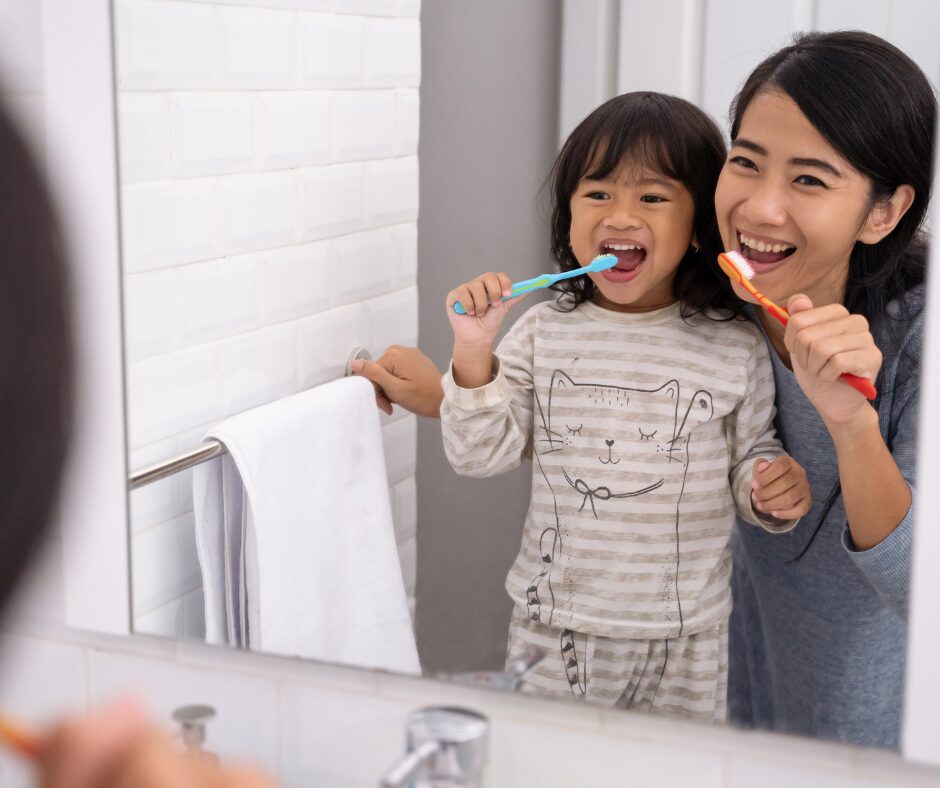
Dental hygiene skills, such as brushing teeth, flossing, and tolerating dental visits, are essential for long-term health and quality of life. Yet for many children with autism and other developmental disabilities, these daily routines can be especially challenging. Applied Behavior Analysis (ABA) offers practical, evidence-based strategies to help children build these skills in a structured, supportive, and individualized way.
This article explores why dental hygiene is often difficult, which ABA strategies are most effective, and a step-by-step guide to teaching dental hygiene skills using ABA principles.
Dental hygiene routines involve a combination of sensory input, motor coordination, communication, and tolerance of discomfort, all of which can be areas of difficulty for children with autism and other developmental delays.
Many children experience heightened sensitivity to:
These sensations can be overwhelming and lead to avoidance, distress, or problem behaviors.
Brushing teeth requires coordinated movements, bilateral hand use, and sequencing multiple steps. Children with motor planning difficulties may struggle to:
Dental hygiene typically occurs during transitions (e.g., before bed or before school), which are times that can already be stressful. If the routine is inconsistent or unpredictable, compliance may be even harder.
Children with limited verbal skills may have difficulty understanding instructions or expressing discomfort, leading to frustration or refusal.
Past experiences involving forced brushing, rushed routines, or stressful dental visits can condition escape-maintained behaviors such as crying, elopement, or aggression.
Understanding these challenges helps caregivers and professionals’ approach dental hygiene with empathy and realistic expectations.

ABA focuses on breaking skills into manageable steps, teaching them systematically, and reinforcing success. Below are a few key ABA strategies commonly used to teach dental hygiene.
Task analysis involves breaking a complex skill (like brushing teeth) into smaller, teachable steps. This allows the learner to master one component at a time rather than being overwhelmed by the entire routine.
Example steps might include:
Each step can be taught, prompted, and reinforced individually.
Prompts help guide the child toward the correct response. Common prompts include:
Over time, prompts should be systematically faded to promote independence.
Modeling involves demonstrating the skill for the child. This can include:
Modeling is especially effective for visual learners.
Shaping reinforces gradual approximations toward the target behavior. For example:
This approach is especially helpful when a child initially resists brushing.
Positive reinforcement increases the likelihood that brushing behaviors will occur again. Reinforcement should be:
Examples include:
Reinforcement techniques should be gradually diminished as brushing becomes part of a routine.
Pairing dental hygiene activities with preferred items or experiences helps reduce anxiety and build positive associations. This may include:
Desensitization is done slowly and systematically to increase tolerance.

Below is a practical, ABA-based approach that parents and practitioners can follow.
Identify:
This assessment guides where to start teaching.
Break toothbrushing into clear, simple steps. Adjust the number of steps based on the child’s ability level. For some children, fewer steps may be appropriate at the beginning.
Use visuals or a laminated checklist if helpful.
Select strong reinforcers that are only available after brushing (or during early teaching, during brushing). Reinforcers should be motivating enough to compete with avoidance behaviors.
If the child resists brushing:
Avoid forcing the routine, as this can strengthen escape behaviors.
Prompt each step as needed, using the least intrusive prompt possible. Model brushing yourself or use video models to support learning.
Gradually fade prompts as independence increases.
Deliver reinforcement right after successful steps or attempts. Use behavior-specific praise to clearly communicate what the child did well (e.g., “You brushed your bottom teeth!”).
Slowly increase:
Data collection (even informal) can help track progress.
Practice brushing:
Generalization ensures the skill is functional across environments.
As brushing their teeth becomes a habit:
The goal is long-term independence and health.

Teaching dental hygiene skills can be a gradual process, but with patience, consistency, and ABA-based strategies, meaningful progress is achievable. By using task analysis, shaping, prompting, modeling, and positive reinforcement, caregivers and professionals can help children build lifelong self-care skills while reducing stress and resistance.
Dental hygiene isn’t just about clean teeth; it’s about independence, dignity, and quality of life. ABA provides the tools to teach these skills in a way that respects the child’s needs and sets them up for long-term success.