Back to School
Generalizing Skills Can Lead to Smooth Transitions

One of the most meaningful goals of ABA therapy is not only helping a child learn a new skill but also helping that skill become part of their everyday life. For many families, the hope is not just that progress happens in therapy, but that those hard-earned skills begin to show up in the moments that matter most. At home, at school, in the community, and with the people who love and support them. That is why generalization is such an important part of lasting, meaningful growth.
When a child learns something in ABA, we want them to feel confident using that skill outside of the therapy setting too. A child who learns to ask for help during therapy should be able to use that same communication with a teacher, a family member, or a peer. A child who practices coping strategies should have opportunities to use those tools when life feels overwhelming or unpredictable. Without gentle, supported opportunities to experience new settings, it can be much harder for those skills to fully carry over into daily life.
Transitions can bring up a lot of emotions for both children and parents. It is completely understandable for families to feel nervous, protective, or unsure when their child is preparing to move into a new environment. Change can be hard, especially when a child has worked so hard to build comfort and success in one setting. At the same time, these transitions can become some of the most powerful opportunities for growth when children are supported with patience, preparation, and understanding.
New environments give children a chance to practice independence, adjust to different expectations, and slowly build trust in their own abilities. Each successful transition, no matter how small it may seem, can help a child learn, “I can do this.” Over time, those experiences can strengthen confidence, flexibility, and resilience. Skills that support not only learning, but emotional and social development as well.
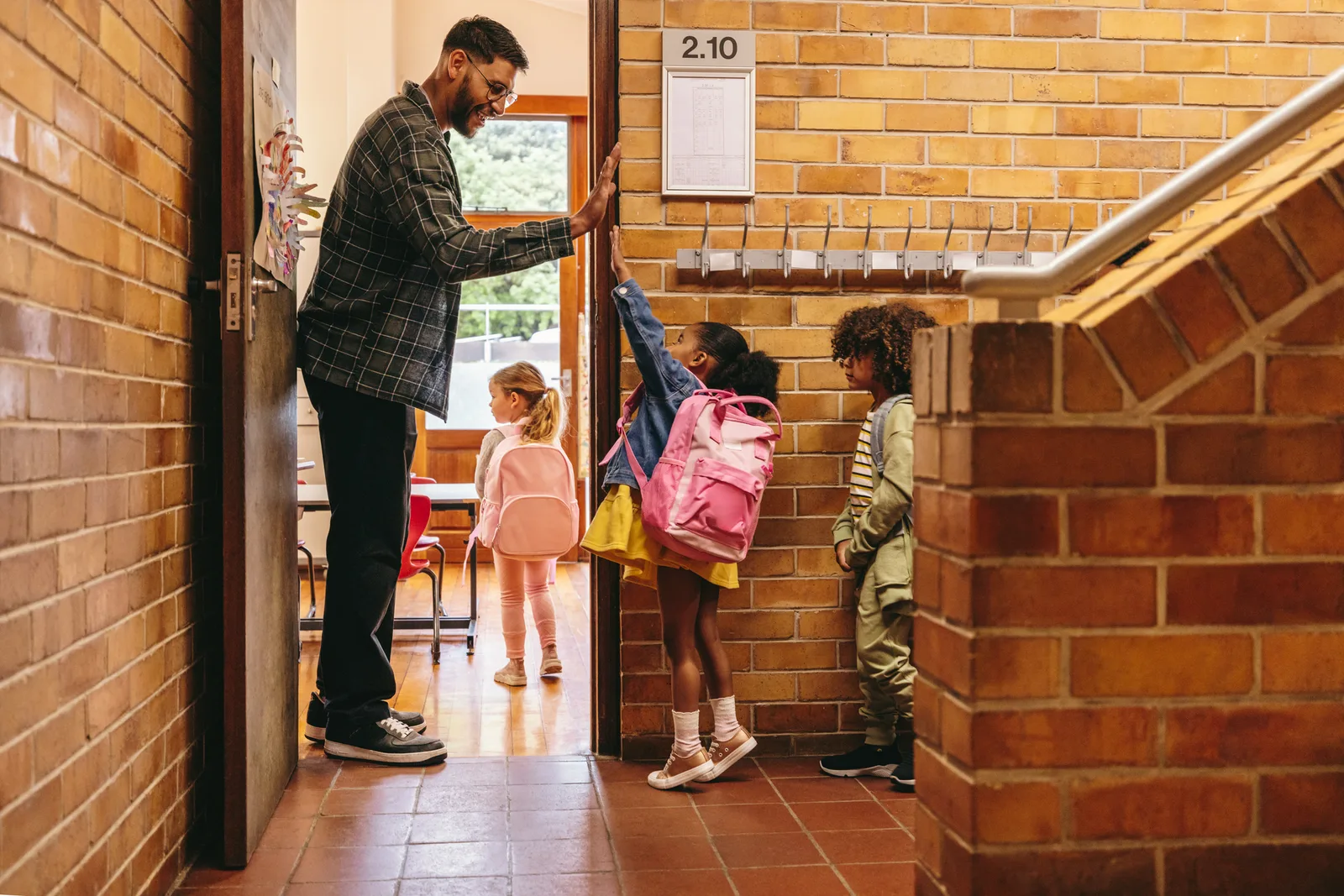
Transitions also create meaningful chances for children to connect with new people, build relationships, practice communication, and become more comfortable navigating the world around them. These moments may not always be easy, but they can help children generalize the skills they have worked so hard to learn and use them in real situations where they can feel proud, capable, and more connected to others.
As parents, it is natural to worry about whether your child is ready for a transition. Those feelings come from love and the desire to protect your child. But the goal of ABA is not for the progress made to stay inside the therapy room. The goal is for those skills to become part of your child’s everyday life. When families, therapists, and educators work together, transitions can be approached with care and confidence. With the right support, each new step can help a child carry their skills into the real world where they matter most.
If your family is preparing for a new school year or another transition, Behavioral Innovations can help your child practice those skills beyond the therapy room.
Take the Next Step
Questions About ABA Therapy for Your Child?
Our intake team can answer your questions, verify your insurance, and connect you with a BCBA in your area — typically within one business day.
- Free insurance benefits verification
- Individualized BCBA-designed treatment plans
- Center-based ABA therapy at clinics near you
- Most major insurance plans accepted